Wormer Resistance in Horses: What Every Owner Needs to Know
- r-r-country-blog
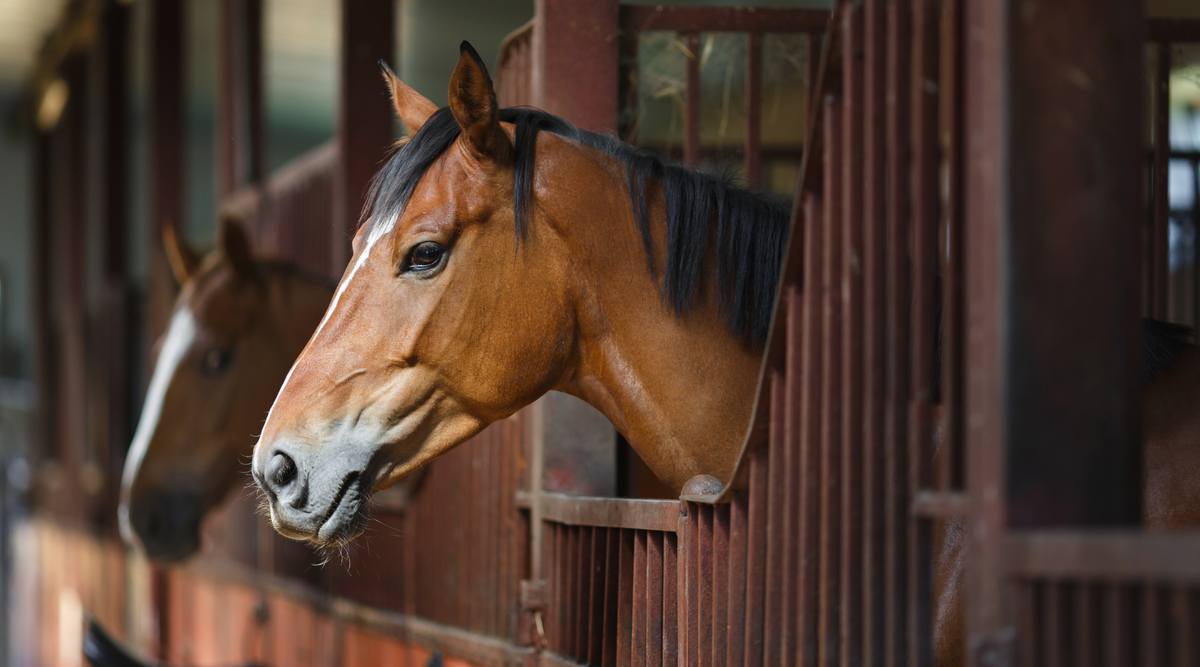
Horse worming has changed dramatically over the last decade. While routine worming schedules used to be the norm, growing concerns around wormer resistance in horses mean that targeted parasite control is now more important than ever.
Understanding how resistance develops - and how to prevent it - can help protect your horse’s health while preserving the effectiveness of equine wormers for the future.
What Is Wormer Resistance?
Wormer resistance happens when parasites survive treatments that once killed them effectively. Over time, these resistant worms reproduce, meaning certain wormers gradually become less effective.
This is especially concerning because there are currently very few new worming chemicals being developed for horses.
Small redworm (cyathostomins) are one of the biggest concerns in the UK, with resistance already seen against several commonly used wormers.
Why Is Wormer Resistance Increasing?
The biggest cause of resistance is overusing wormers unnecessarily.
For years, many horses were wormed every few months regardless of whether they actually needed treatment. This repeated exposure allowed parasites to adapt and survive.
Other contributing factors include:
- Underdosing horses
- Using the wrong wormer for the parasite
- Poor pasture management
- Treating all horses at the same time without testing
- Overcrowded grazing
Why Routine Worming Is No Longer Recommended
Modern parasite control focuses on targeted worming instead of blanket treatment.
This means using diagnostic testing to determine whether your horse actually needs worming before administering treatment.
Targeted worming can include:
- Worm egg counts
- Tapeworm saliva tests
- Reduction tests after worming
- Seasonal parasite testing
This approach helps reduce unnecessary chemical use while still keeping horses healthy.
Signs Your Horse May Have a Worm Burden
Some horses with worms show no obvious symptoms, which is why testing is so important. However, signs of a parasite burden can include:
- Weight loss
- Poor coat condition
- Diarrhoea
- Colic
- Reduced performance
- Pot belly appearance
- Tail rubbing
If you notice any of these symptoms, always consult your vet.
How to Help Prevent Wormer Resistance
Good management plays a huge role in reducing parasite levels naturally.
1. Use Worm Egg Counts Regularly
Testing before worming allows you to only treat horses that actually need it.
2. Avoid Underdosing
Always weigh your horse accurately or use a weigh tape to ensure the correct dosage.
3. Poo Pick Grazing Areas
Removing droppings at least twice weekly significantly reduces pasture contamination.
4. Rotate Grazing
Resting and rotating paddocks can help break parasite life cycles.
5. Quarantine New Horses
New arrivals should be tested and managed carefully before joining shared grazing.
6. Check Wormers Are Working
Reduction testing after treatment can confirm whether the wormer has been effective.
The Goal Isn’t to Be Completely Worm Free
Surprisingly, having a small population of susceptible worms present can actually help slow resistance. This is known as maintaining “refugia”.
Completely eliminating every parasite may sound ideal, but over-worming can accelerate resistance and reduce future treatment options.
Shop Horse Health Essentials
Supporting your horse’s health goes beyond worming alone. Explore our collection of:
- Horse supplements
- Digestive support
- Grazing muzzles
- Stable and field essentials
- Horse health care products
Final Thoughts
Responsible worming is now about balance, testing, and smarter management — not simply treating on a fixed schedule.
By adopting targeted parasite control and improving pasture hygiene, horse owners can help slow wormer resistance and protect the long-term effectiveness of equine wormers for future generations.
For tailored advice on your horse’s worming programme, always speak with your vet or an equine parasite specialist.