
Thirsty Work: Dehydration In Horses
- equestrian-guides
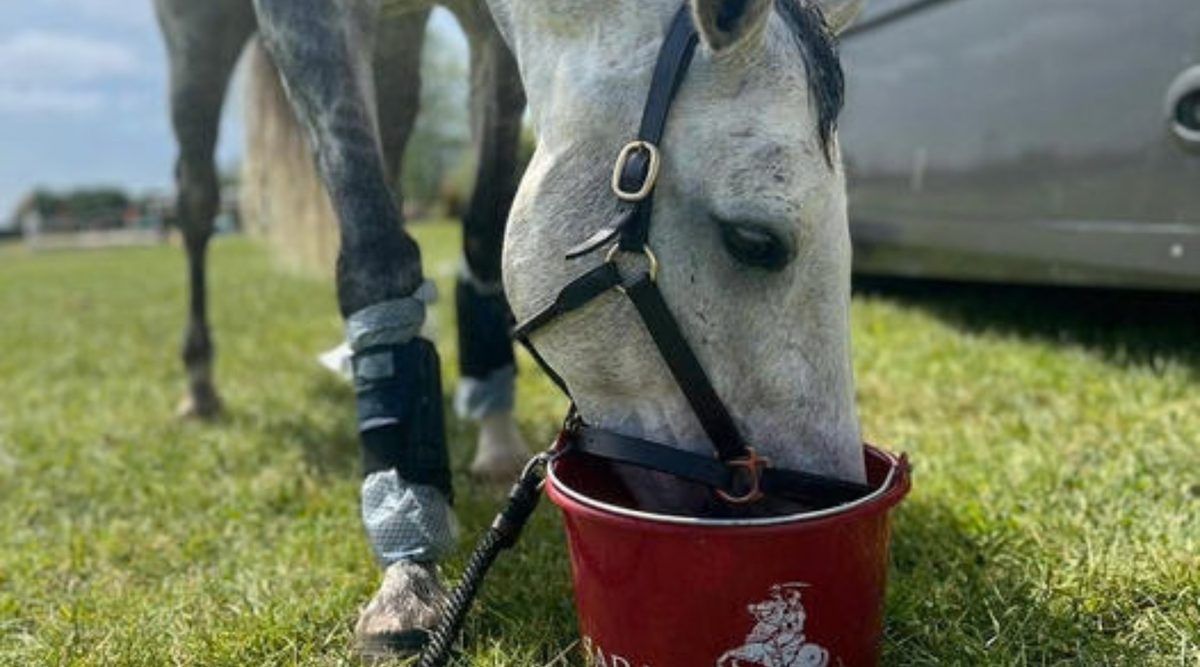
Water makes up approximately 65% of body mass in adult horses and a staggering 80% in foals – this statistic alone highlights the importance of water for horses. A lack of water can lead to dehydration, which itself poses potential risks. We have compiled some tips and tricks for combating dehydration and assisting with rehydration this season.
What is dehydration?
Dehydration can occur through many ways, but essentially it happens when the body does not obtain the fluid it needs to maintain a healthy balance. In simple terms, it occurs when fluid is lost without being replaced. Many variables can influence hydration levels in horses, such as exercise, sweating, diarrhoea and overall water intake.
What are the signs of dehydration in horses?
Dehydration in horses can present in several ways. Generally speaking, the main signs include loss of skin elasticity (the pinch test), reduced or dark urine, lethargic behaviour and slow capillary refill when tested.
The pinch test is a common method used to assess hydration levels in horses. This test is conducted by gently pinching your horse’s skin near the shoulder and timing how long it takes to return to its usual position. Skin with good elasticity (that returns quickly) usually indicates good hydration levels. However, if the skin takes 2–4 seconds to return, it could indicate dehydration.
It is important to note that every horse is different, so we recommend getting familiar with what is ‘normal’ for your horse.
Common symptoms of dehydration in horses:
- Loss of skin elasticity (Pinch Test)
- Depression or lethargic behaviour
- Red eyes
- Dry gums
- Slow capillary refill (test on the upper gum)
- Dark coloured urine or reduced urine
How to rehydrate a horse…
If your horse is dehydrated, it’s important to take action quickly to prevent more serious problems from developing.
You can encourage rehydration by ensuring your horse has access to fresh, clean water at all times – no mucky buckets! Interestingly, studies have found that horses sometimes prefer lukewarm water, so this may help encourage fluid intake in picky drinkers.
Rehydration can also be supported through feeding wet feed, such as mash-based feeds. The additional moisture content can help increase overall fluid intake.
How do you prevent dehydration in a horse?
Water is arguably the most important nutrient, according to Dr Courtney Miller from Dodson & Horrell, again stressing the importance of maintaining proper hydration at all times.
Preventative measures that can help maintain hydration include:
Travel with your own water
It may sound unusual, but some horses can be particular about the water they drink and may refuse unfamiliar water sources. Taking your own water when travelling can help prevent dehydration caused by water refusal.
Monitor herd relationships
Bullying can pose a risk, especially if horses are hesitant to approach shared water sources. If a horse is being bullied, try separating them if possible or provide multiple water buckets around the paddock.
Grass over hay
Where possible, grass can provide additional hydration as it naturally contains around 80% water, compared to hay which contains approximately 15% water (haylage typically contains 30–50% water). If grazing is not an option, soaking hay can help increase its moisture content.
Be mindful that grass can become scorched in hot weather, meaning horses will naturally drink more from buckets as they are no longer receiving moisture from the pasture.
Monitor intake
Monitoring your horse’s water intake is a great preventative measure. Automatic drinkers can make it difficult to gauge how much your horse is drinking, so regular checks are important. Always ensure drinkers are clean, working correctly and supplying fresh water.
Feed wet
Adding extra water to your horse’s feed or offering a wet mash is a simple and effective way to increase fluid intake, particularly during warmer months.
Water after exercise
Allow your horse small amounts of water after exercise to quench immediate thirst. However, wait until your horse has cooled down fully before allowing unrestricted access.
Electrolytes
When used correctly, electrolytes can help replace key minerals lost through sweating, particularly chloride, sodium and potassium. Electrolytes are commonly used to support hydration and recovery after strenuous exercise.
However, electrolytes should not be given to horses that are already dehydrated – encouraging fluid intake should always be the priority in these cases.
Shop our range of Electrolytes here
We hope this blog has given you some insight into the potential causes of dehydration in horses and how to help rehydrate them if needed. Following the preventative measures mentioned above and monitoring your horse’s behaviour closely will help keep them happy, healthy and hydrated throughout the warmer months.