
A Grain of Prevention. Understanding and managing Sand Colic
- equestrian-guides
Written by:
Dr Andy Richardson, Veterinary Director - BVSc CertAVP(ESM) MRCVS.
Kate Hore, Head Nutritionist. RNutr, BETA ENFAR, R.Anim.Technol (Cert)
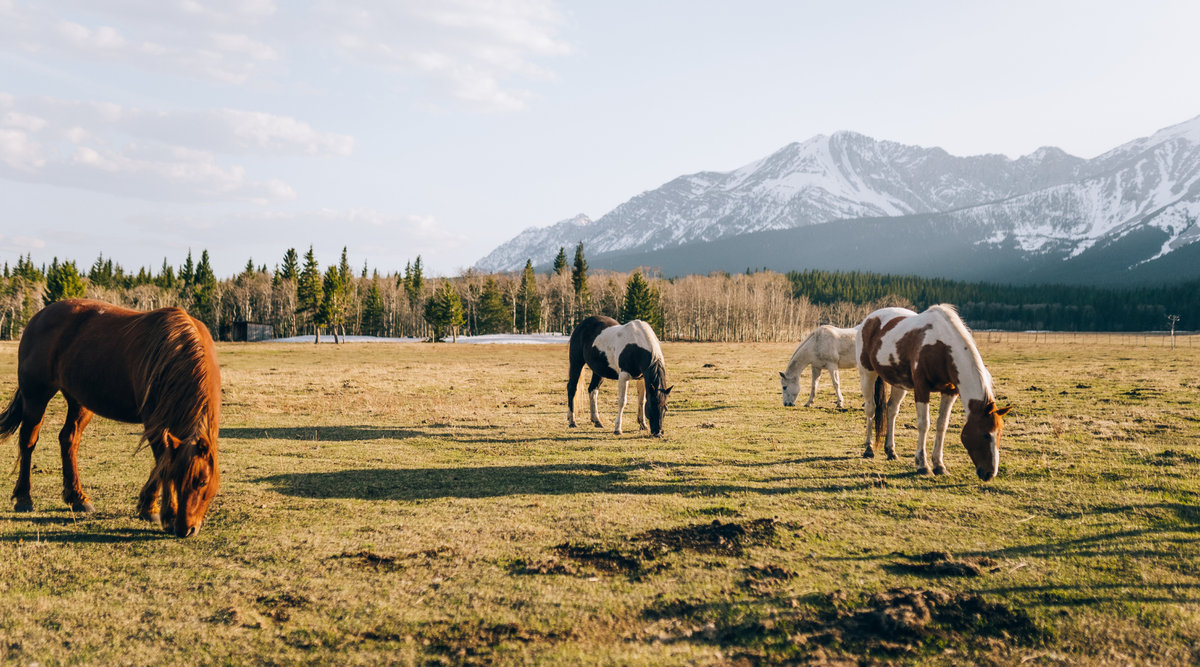
This summer, hot and dry conditions are common across the country and look set to continue, with many fields looking more like sand pits than pasture. If horses are grazing sparse grass in dry fields, then ingestion of sand is a real risk. If you’re on a sandy soil the risk is increased, and decreased on clay soils – though can occur on any type. Bare and poorly maintained pastures also increase the risk, as does certain feeding practices, such as feeding from the floor. Excess sand in the gut can lead to sand colic. Sand colic occurs when relatively small amounts of sand are ingested over time, usually whilst grazing, and accumulates in the large colon and caecum. This can lead to abrasive damage to the gut lining, and ultimately a partial or complete blockage.
Monitor the condition of your grazing paddocks regularly and be aware of the signs to look for.
Signs of sand in their gut
- Sand in the droppings
- Loose droppings
- Poor appetite and weight loss
- Lethargy
- Mild, recurring colic episode
- If colic is suspected, always talk to your vet.
Sand Accumulation Test
If your horse has a history of sand colic, is on sandy or overgrazed paddocks, or if they are being fed whilst loose in a ménage, then monitoring through doing a sand accumulation test may be advised. You’ll need a large, clear plastic bag or large glove.
- Take a few balls of manure from the top of a pile – ensuring it is not touching the ground.
- Place in a large, clear glove or large plastic bag.
- Add a litre of water and massage manure until it dissolves.
- Hang the bag or glove up for 30 minutes, if using a bag, ensure one corner points down.
- Presence of sand shows an accumulation.
- Repeat over several days, as one clear test does not guarantee a sand-free gut.
This test provides an indication only and should not replace veterinary examination if colic is suspected.
Nutritional Management: P is for Psyllium and Probiotics
Commonly recommended by both vets and nutritionists, psyllium is a useful natural plant to help clear accumulation. Psyllium is a herb high in naturally soluble fibers that form a mucilaginous gel when ingested. This gel is understood to bind sand within the digestive tract, supporting its passage through the digestive tract. Think of it as almost like a yard broom for the gut.
Additionally, this unique herbal action helps to support gut motility, encouraging the horse’s digestive system to maintain its natural contractions, rather than letting sand settle. The mucilaginous nature of psyllium may also help with any irritation caused by accumulated sand.
Whilst psyllium alone is often recommended, research supports feeding psyllium in a complex including probiotics and prebiotics to maximise support of the hindgut microbiome.*
Low level psyllium can be fed daily for general gut health, either alone or as part of a gut health complex. For sand-clearing it is fed at higher rates in a short-course, typically for one week out of every month, over the dry grazing season.
Psyllium may also be part of your vet’s treatment, where it can be administered directly via gastric tubing, in combination with elevated levels of magnesium sulphate. This can only be done by your vet.
Reducing the Risk
Good nutritional management is only part of the approach. Follow these guidelines to minimize the risk of sand accumulation from grazing.
- Feed forage in haynets or feeders, not directly on sandy soil
- Use rubber mats under nets to capture loose hay
- Use multiple feeders around the field to ensure all have easy access. Being lower in the hierarchy can increase the risk.
- Feed a high-fibre diet to encourage natural gut motility
- Offer additional forage if grazing is limited
- Regular sand-clearing, through monthly courses of a psyllium-based supplement
- Rotate paddocks where possible to avoid over-grazing
Reference
* Landes, A.D., D.M. Hassel, J.D. Funk, and A. Hill. 2008. Fecal sand clearance is enhanced with a product combining probiotics, prebiotics, and psyllium in clinically normal horses. J. Equine Vet. Sci. 28:79-84